Meeting caregivers in the far North!
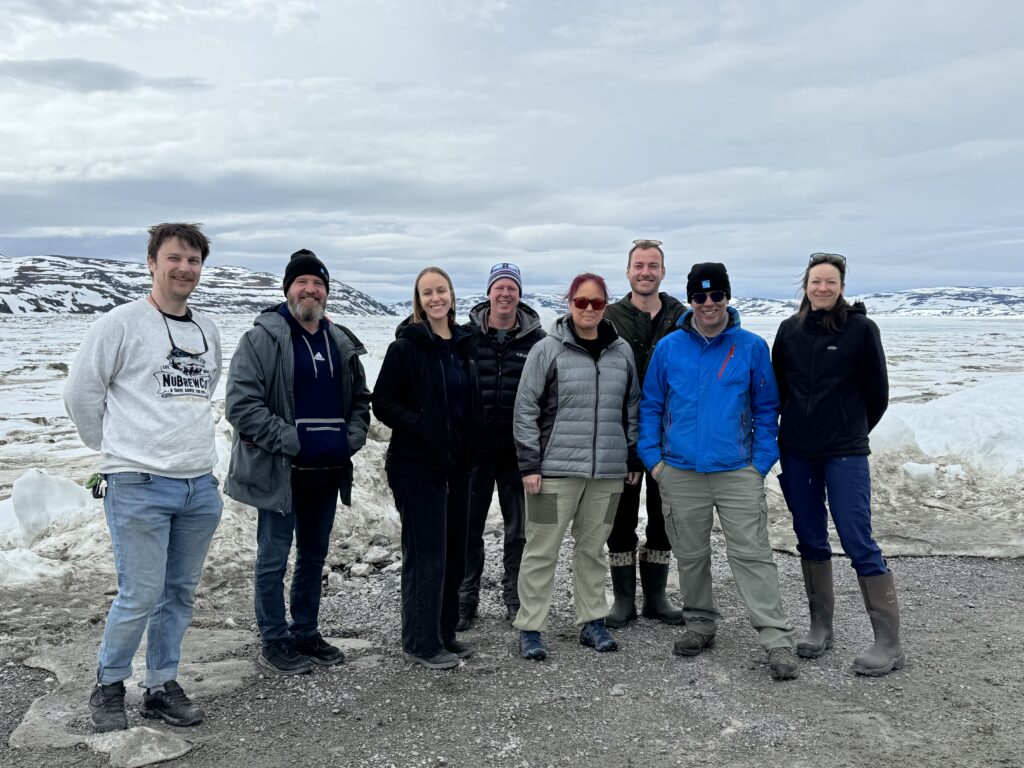
4 June 2026From May 10 to 14, 2026, the president, Julie Bouchard, accompanied by vice-presidents Jérôme Rousseau and Sébastien Bouchard, travelled to meet the healthcare professionals providing care in the Far North. Travelling hundreds of kilometres by air and land, the three political officers visited eight Cree and Inuit villages in the Ungava, Hudson and James Bays.
Several common threads link healthcare professionals working in these three bays: the stimulating, expanded role of nurses and the diversity of practice for all healthcare professionals, the importance of the valuable, trusting relationships forged with people from the various Cree and Inuit communities, the lack of hierarchy among the staff, including with doctors and, of course, the vast natural spaces they can enjoy on a daily basis.
It is fair to say that the expression ‘making do with what you’ve got’ really comes into its own when providing care in a northern village. Standards of care are sometimes very high, yet specialist services are often far away and inaccessible by road. Healthcare professionals must therefore demonstrate a high degree of adaptability and resourcefulness. It is phenomenal what they manage to achieve with so few resources at their disposal. And what stands out most? A sense of belonging to their team that is becoming increasingly rare in healthcare institutions in the ‘South’.
Major issues to resolve
There are also a number of challenges that healthcare professionals have to deal with, which warrant swift action on the part of the government.
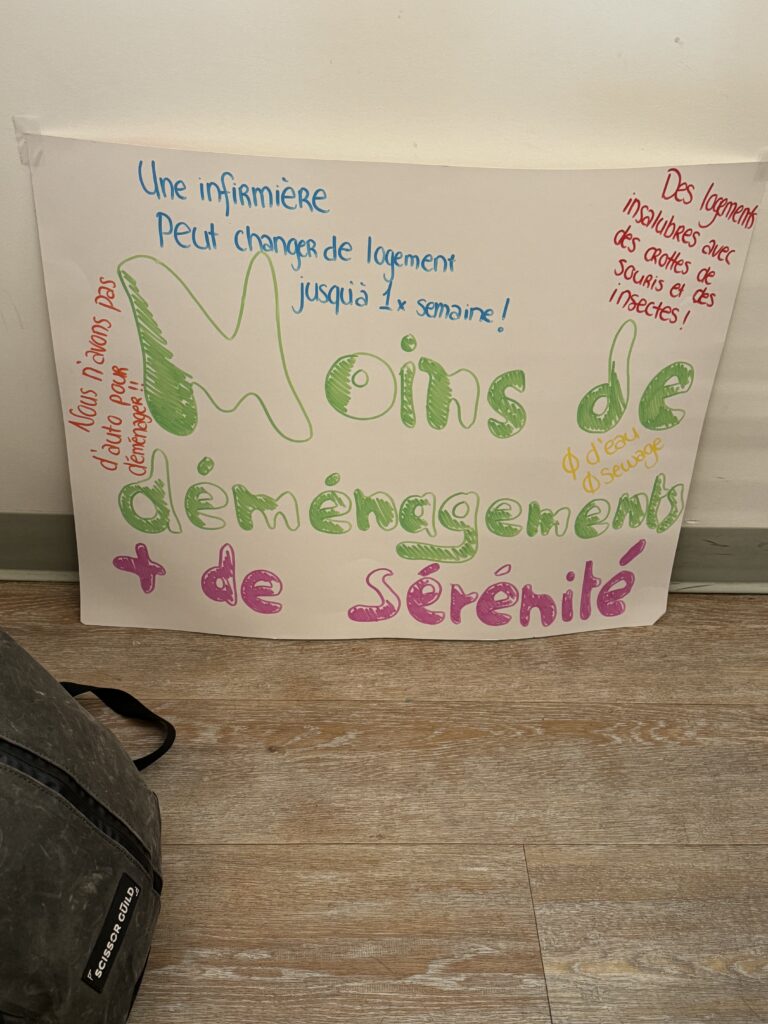
The first is clear: access to decent housing that respects their privacy. With a housing shortage, substandard conditions and forced shared accommodation, healthcare professionals have very little access to a home worthy of the name. Moreover, who would believe that in 2026, in Québec, access to drinking water is not a basic right for everyone? Well, this is not the case for many communities living in the Far North, where access varies greatly from one bay to another and from one village to another. Ultimately, having to work in outdated facilities is the reality for many healthcare professionals. You don’t need to be an expert to see that substantial investment is needed in the various facilities; it’s as clear as day.
Safety should not be optional
Added to this is the issue of security, which is a constant theme in the discussions of healthcare professionals. The lack of suitable isolation rooms, the insufficient number of security guards, most of whom are poorly trained, and the fact that not all healthcare professionals have up-to-date OMEGA training are among the issues identified. These are often very challenging workplaces where healthcare professionals are frequently left to deal with various crisis situations on their own. Protecting these workers should be a priority for decision-makers. Working in a safe environment should not be optional.
This is an overview of some key issues which, if taken seriously and addressed, would certainly help to make the Far North a more attractive destination for healthcare professionals. But more importantly, this would undoubtedly have a positive impact on staff retention. Many are drawn to the Far North, but fewer choose to stay there.
This tour was filled with unique opportunities for the political officers to engage in frank discussions with healthcare professionals about their day-to-day realities and to see the places where they practice. In short, this has been a highly rewarding journey to the Far North, which will enable the Federation to make a stronger case for working, practising and living conditions that reflect the realities of providing care in the Far North during its meetings with government representatives, as well as to build up its toolbox ahead of the next round of negotiations for the renewal of the collective agreement.
Gallery
Tap or click on a photo and swipe left to view them all.
Sign up for our newsletter