No 03 – Fall 2026
Message from the FIQ president
Let’s not leave the power to others
As healthcare professionals, as citizens, as women, as members of a labour organization, we have immense political power. There are 90,000 of us and we can vote for the government that will make the decisions that will affect our working conditions and the population’s healthcare conditions for the next four years. That’s massive! We all have different realities, but one thing unites us: we are on the front line of everything that happens in the health network.
Even though we may sometimes be disillusioned, it’s so important to find out what each party has to offer, particularly when it comes to health care. It’s true it can sometimes be hard to make sense of it all, some promises may seem unrealistic, and some are not kept. Despite everything, we must continue to get involved, to advocate and to make our voices heard.
As we saw in Terrebonne in the last federal election, results are sometimes very close. One vote can change the outcome, and it could be yours. Every vote counts, every informed person counts, so let’s not leave the power to others!
Let’s vote and make our voices heard!
Julie Bouchard
Message from the Communication Committee

Dear colleagues,
At a time when intolerance and polarization are growing, both in society and in our care settings, solidarity, listening and dialogue are more important than ever. The challenges we experience in the health network are not by chance: they stem from political choices that weaken our working conditions and access to quality care.
Naming these challenges is a refusal to give in. It’s a demand to be heard. It is to assert that solutions cannot be improvised or imposed but must instead be driven by and for those who experience the reality on the ground, in all their diversity.
Our voices are stronger when they speak together. It is together, through mobilization and collective action that we can defend our rights and change the health network over the long term.
This magazine is a first step to starting a dialogue. Let’s talk politics!
2025-2029 Communication Committee / Jean-Sébastien Blais – Syndicat interprofessionnel en soins de santé de l’Abitibi-Témiscamingue / Kathy Lagacé – Syndicat des professionnelles en soins infirmiers et cardiorespiratoires du Bas-Saint-Laurent / Aurélie McBrearty – Syndicat des Professionnelles et Professionnels en soins de santé du CHUM / Amélie Mercier – Syndicat interprofessionnel du CHU de Québec / Bianca Morin Tremblay – Syndicat des professionnelles en soins du Saguenay–Lac-Saint-Jean
No 03 – Fall 2026
Articles
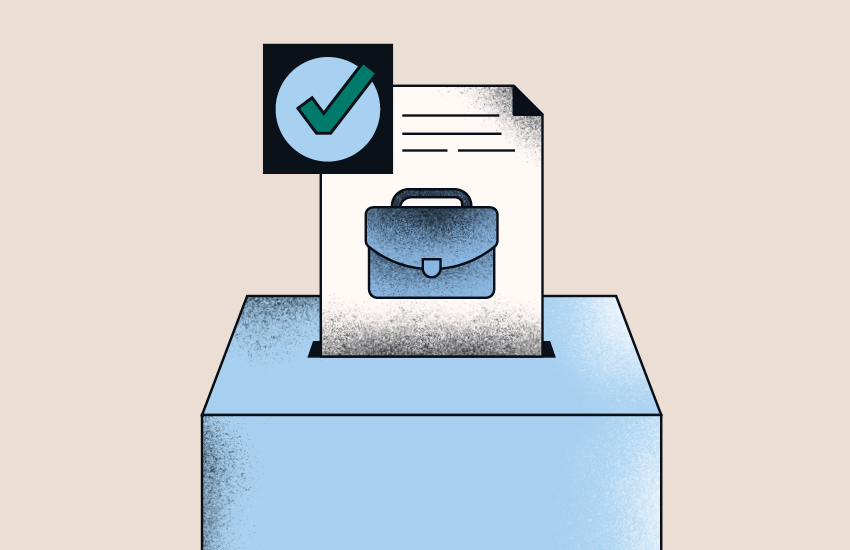
Elections offer healthcare professionals a unique opportunity that should not be underestimated: the chance to vote for their employer! We often forget, but public service employees vote for their employer every four years: this is how they can influence who their boss is.

Five ways that political choices influence our working and living conditions
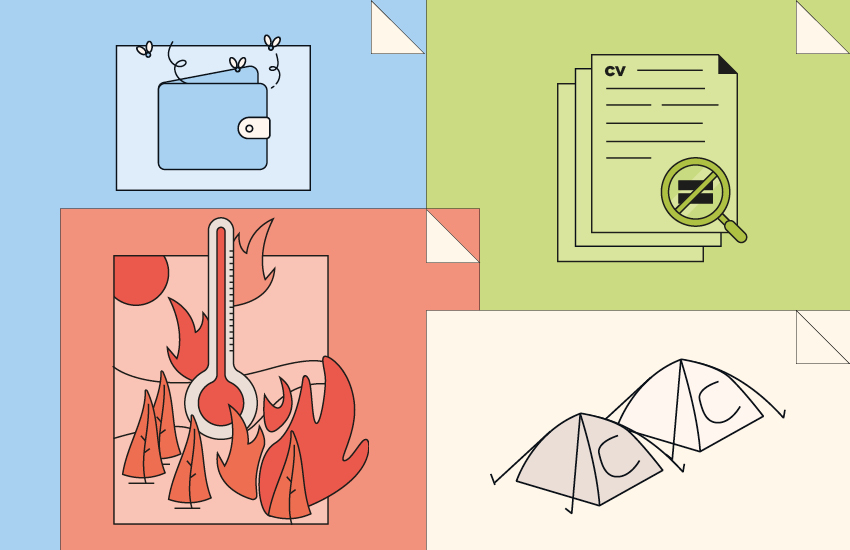
Political decisions can have both positive and negative effects on our working and living conditions. We must remember that these are choices made by decision-makers and that, if they were truly willing to bring about change, it would be possible.

Are unions just a bunch of complainers?
Playing your political role is not complaining!
Taking a stand to improve care
What affects the population’s health? Can we stand idly by in the face of inequality? Should we wait for the next political, economic, environmental or public health crisis to demand change?

Can we improve the healthcare system overnight?
All political parties say they want to improve healthcare access in Quebec, but the necessary funds must be invested to achieve this goal. It won’t happen overnight: decision-makers have to make the appropriate budget decisions!
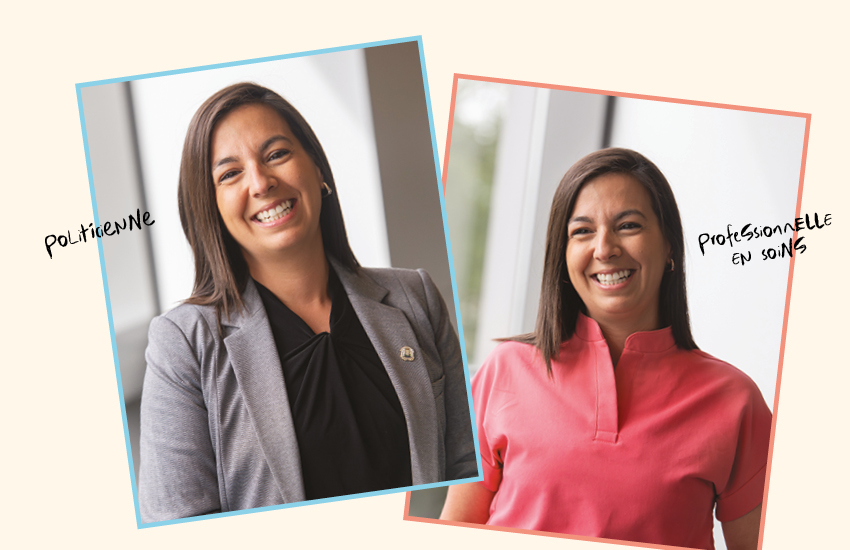
Women are still under-represented in politics and healthcare professionals even more so! And yet a diversity of voices is essential to a healthy democracy. As such, it is important to recognize and promote women who go into politics. Katia Cauchon talks about her dual role as licensed practical nurse and municipal councillor.

Mobilization for occupational safety
Employers have a duty to take the necessary measures to protect us from physical or psychological violence (including domestic or family violence) in the workplace. Fear and feeling unsafe should not be part of our working lives.
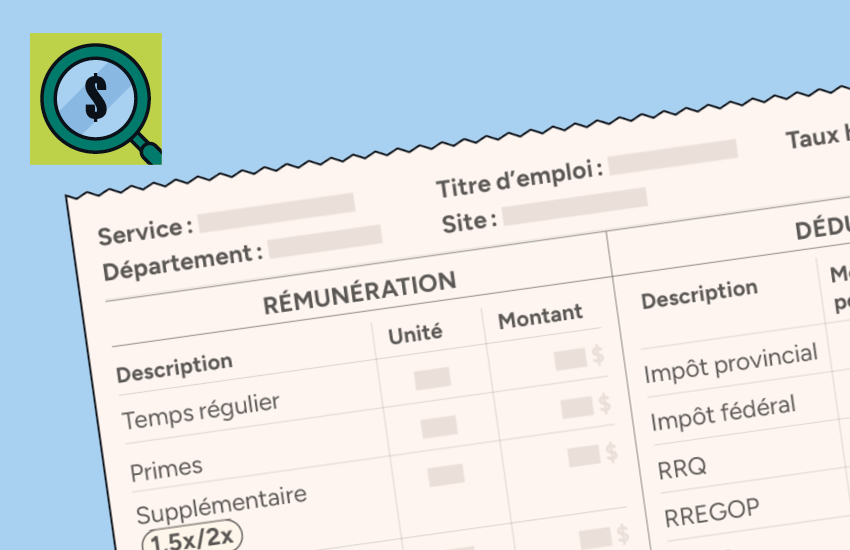
Useful tips: how to read your payslip
Who actually takes the time to look at their payslip? And yet it is the best way to make sure there are no errors.
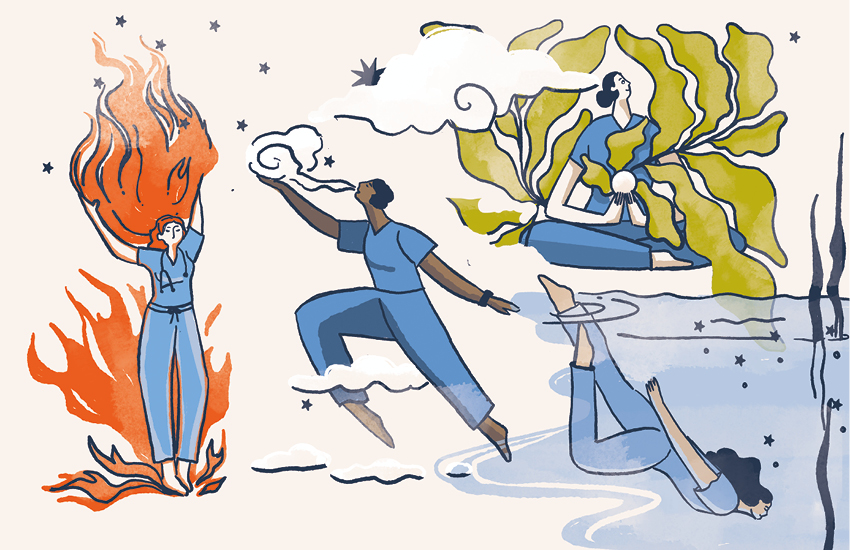
The sky map for healthcare professionals
Four job titles at the FIQ, four astrological elements! Are you more fire, earth, air or water?